Home of the Melocchi Method
A historic Italian vocal tradition, rooted in the principles of Arturo Melocchi and passed down through generations of singers
Who This is For
You've studied operatic singing at a conservatory, university, or with private teachers. You understand the demands of classical singing, yet you may feel that your technique hasn't developed to the level you know it can reach.
Perhaps you're an emerging singer looking to build a more reliable technical foundation. Or perhaps you're an experienced professional seeking to refine your technique, overcome persistent difficulties, and continue developing within the Italian old-school tradition of singing.
You May Recognize Some of These Challenges:
You continue to struggle with the passaggio.
High notes remain unreliable or require more effort than you would like.
You've received conflicting advice and still lack clarity about vocal technique.
Your tone lacks the depth, colour, or carrying power you want to develop.
You are not yet achieving the core and ring you're looking for.
Your voice isn’t consistent across all registers, making repertoire difficult to perform.
The Melocchi Method addresses these issues at their technical foundation.
Focused training can produce noticeable improvements in stability, clarity, and coordination, while lasting technical development is built through consistent study over time.
The Method
The Arturo Melocchi Academy preserves and teaches the Melocchi Method, a historic vocal technique pioneered by Arturo Melocchi (1879–1960) and transmitted directly through his student Marcello del Monaco (1919–1984), brother of the legendary tenor Mario del Monaco.
Historically known as the Melocchi Method, this approach represents one of the most influential vocal techniques in Italian operatic singing and forms a cornerstone of the old-school tradition.
Arturo Melocchi developed a vocal training system grounded in physiological principles, enabling singers to develop the full potential of the voice.
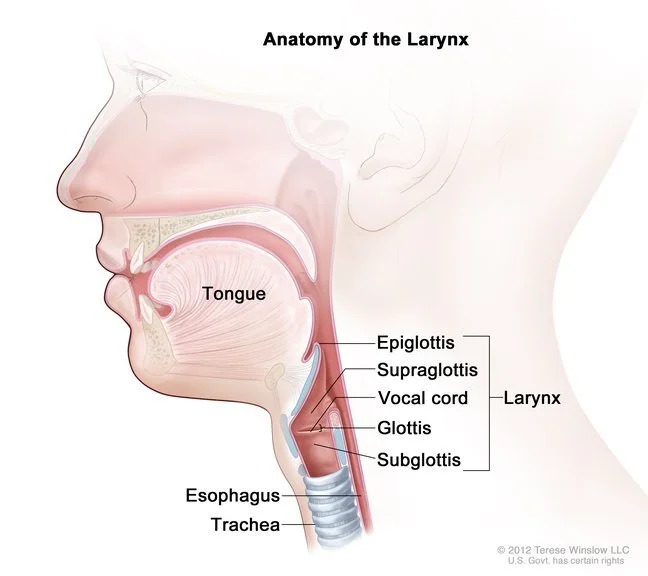
The method emphasizes the expansion of the pharyngeal space, the raising of the soft palate, and the lowering of the larynx as central elements of its approach to vocal production.
This results in a more stable, consistent, and resonant voice across the entire range.
Carefully structured exercises strengthen and coordinate the laryngeal muscles, resulting in a voice that is powerful, rounded, and flexible — the hallmark of the great operatic singers of the twentieth century.
The success of this approach is evident in the remarkable artists it shaped:
Mario del Monaco
Franco Corelli
Gianfranco Cecchele
Gastone Limarilli
Giuseppe Giacomini
Nicola Martinucci
Silvano Carroli
and many others. View singers associated with the Melocchi Method →
Through this direct and unbroken lineage — from Arturo Melocchi to Marcello del Monaco and their students — the method has been preserved with extraordinary fidelity across generations.
The mission of the Arturo Melocchi Academy is to preserve, study, and transmit the historic Melocchi School of singing while making its principles accessible to today's opera singers.
For further details on how the Melocchi Method functions:
Visit the full FAQ page
“The Melocchi method is the only method that gives a beautiful and strong voice”
— FRANCO CORELLI, 1993, NICE
Your Teacher
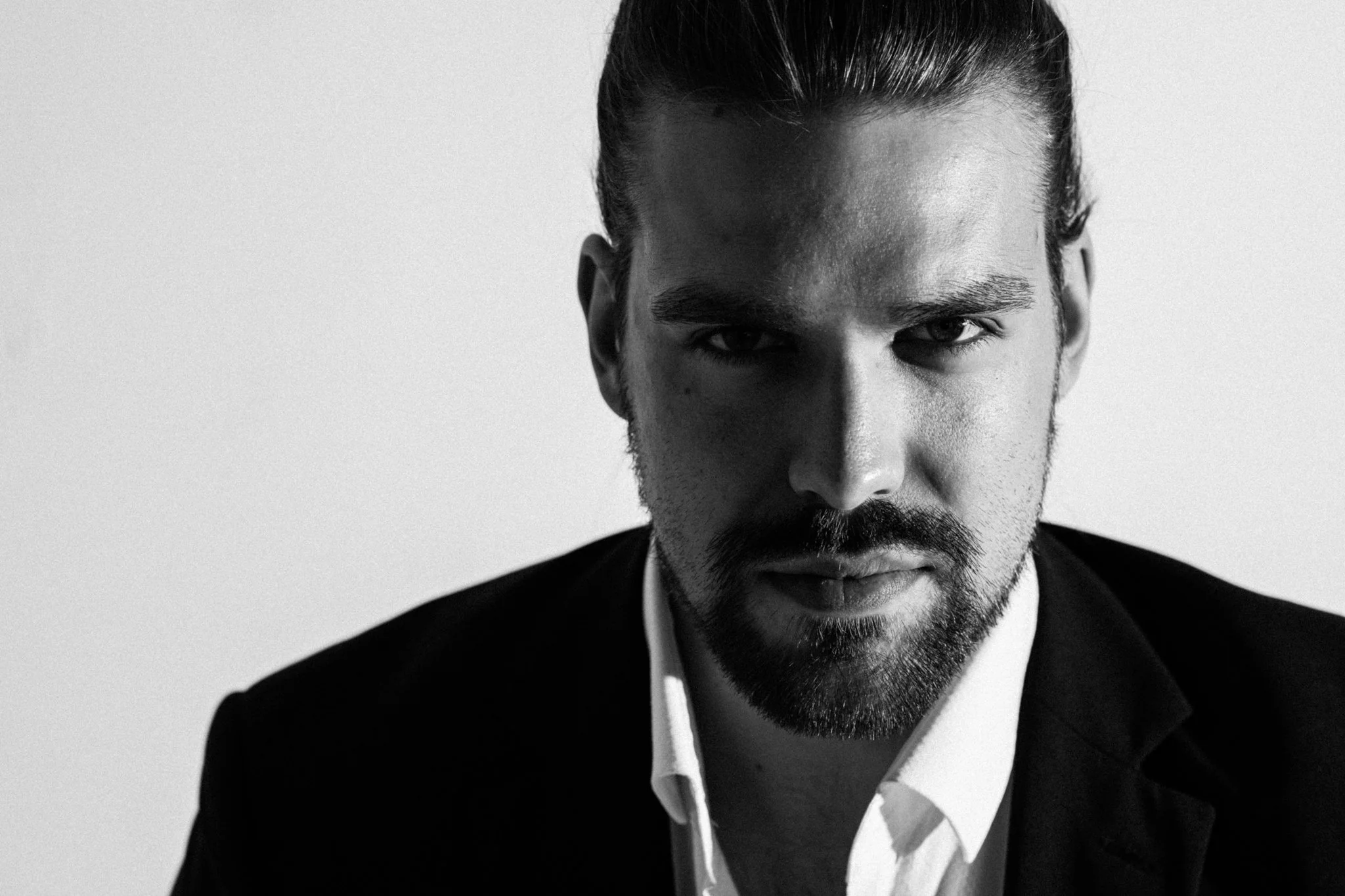
Ignas Melnikas
Bass-Baritone · Vocal Pedagogue
I am Ignas Melnikas, a professional opera singer and vocal pedagogue dedicated to preserving and transmitting the traditional operatic singing method developed by Arturo Melocchi and Marcello del Monaco.
My study of the Melocchi tradition began more than a decade ago in Italy, where I trained with direct students of Mario del Monaco and Marcello del Monaco. Through this work, I developed a practical understanding of the method's principles and their application to operatic singing.
Today, I dedicate my teaching to preserving this tradition and making its principles accessible to a new generation of opera singers.
With more than ten years of professional teaching and performance experience, I have appeared on stages including Teatro Regio di Parma, Teatro San Carlo di Napoli, Teatro Donizetti di Bergamo, Auditorio de Tenerife, and Ankara Opera House.
Student Vocal Development
Recordings documenting students' work with the Melocchi Method at different stages of their technical development.
Student Testimonials
-
![Bass student]()
“Ignas completely transformed my vocal technique. Before studying with him, I was very constricted and even singing in the wrong vocal category. Through his clear, hands-on teaching and deep understanding of vocal function, I learned to build real strength, projection, and ease in the upper range. That progress ultimately allowed me to sing confidently on one of the world’s greatest stages — the Vienna State Opera.”
Simonas, bass, Austria
-
![Tenor student]()
“The Melocchi Method has been a game changer for me. It has helped my voice reach places I always wanted it to go and given me a new sense of control and confidence. Ignas is a great pedagogue who focuses on detail and ensures a clear understanding and precise execution of this ‘old-school’ method, which continues to reveal new possibilities in my singing.”
Ruben, tenor, USA
-
![]()
“Lessons with Ignas have been the definitive finishing touch I was looking for. My voice has gained clarity, color, and power, and I’ve developed greater technical confidence and stage composure. I’m truly grateful that he crossed my path on my vocal development journey.”
Damian, bass-baritone, Poland
-
![Tenor student]()
“After studying with Ignas for about a year, I’ve made tremendous progress in my vocal technique. Despite eight years of prior vocal training, I still felt technically limited until working with him. Ignas provided a concrete, logical approach that completely transformed my voice and allowed me to sing repertoire I’d never imagined possible. He helped me discover my true voice.”
Louis, tenor, USA
-
![Baritone student]()
“Ignas is helping me build a truly essential foundation in my voice. When I started, I struggled to sing an F, and now I can reach A-flats with ease. After a year of training with him, I continue to trust his guidance as he helped me discover my full range while keeping my voice healthy and sustainable for the future. This technical work also supported my acceptance to The Juilliard School in New York.”
Francis, baritone, Norway


Interested in studying the Melocchi Method?

Arturo Melocchi
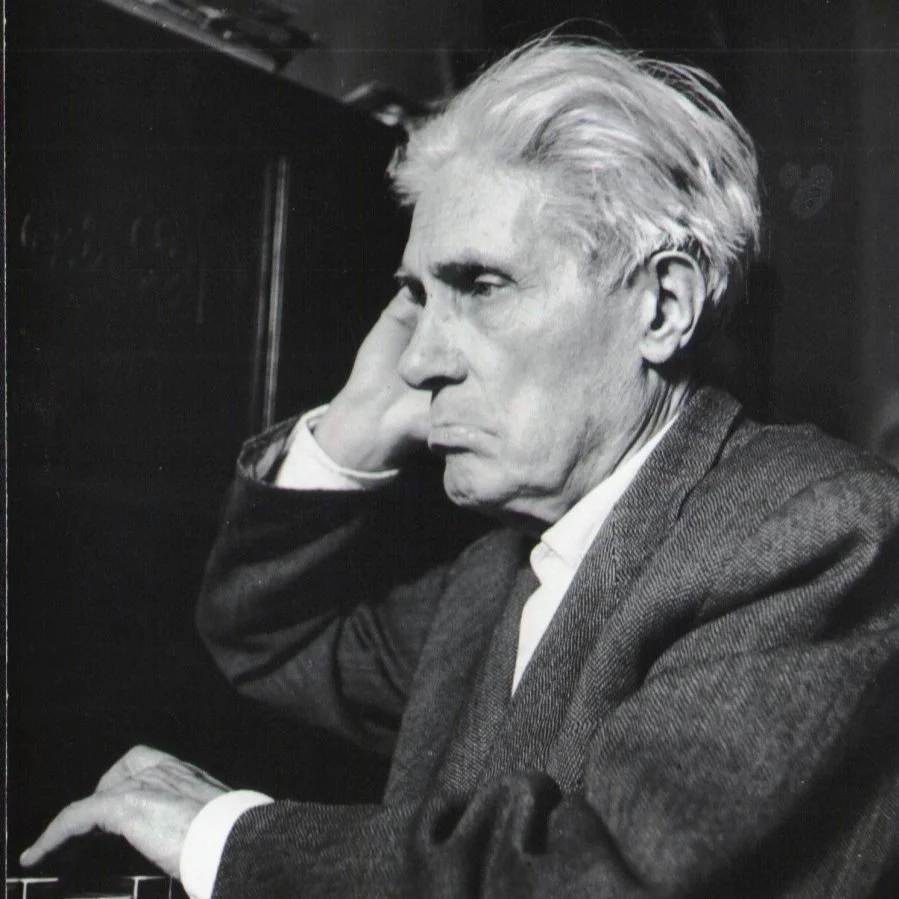
Arturo Melocchi was born in 1879 in Milan. At a young age, he was accepted into the Milan Conservatory, where he studied piano from 1893 to 1898. Gifted with a strong baritone voice, he later enrolled in the conservatory's singing program under the direction of Giuseppe Gallignani.
In 1912, Melocchi began teaching at the Conservatory of Pesaro, where he trained many renowned singers, including his most famous student, Mario del Monaco, whom he met in 1932.
Melocchi developed a distinctive vocal training system grounded in physiological principles. His teaching influenced generations of singers and became an important part of the old Italian school of singing.
“Give me a person from the street and in a short time I will make him a voice.”
— ARTURO MELOCCHI
Technique blog
-
![Mario del Monaco]()
Mario del Monaco vocal technique
-
![Diagram of the human larynx and throat anatomy]()
The sinking or lowering of the larynx
-
![Franco Corelli]()
Did Franco Corelli use the Melocchi technique?
-
![Diagram of the human nasal and oral cavities]()
The soft palate
-
![Bonaldo Giaiotti]()
Bonaldo Giaiotti and his connection to the Melocchi technique
-
![A fountain pen resting on a handwritten letter]()
Rare Melocchi’s letter to his student
-
![Paride Venturi]()
Paride Venturi on technique (translated)
-
![Diagram showing the process of inspiration and expiration in respiration]()
Breath support or "appoggio"
-
![Arturo Melocchi]()
Voice building and vocal fatigue
-
![Giuseppe Giacomini]()
Giuseppe Giacomini on technique